
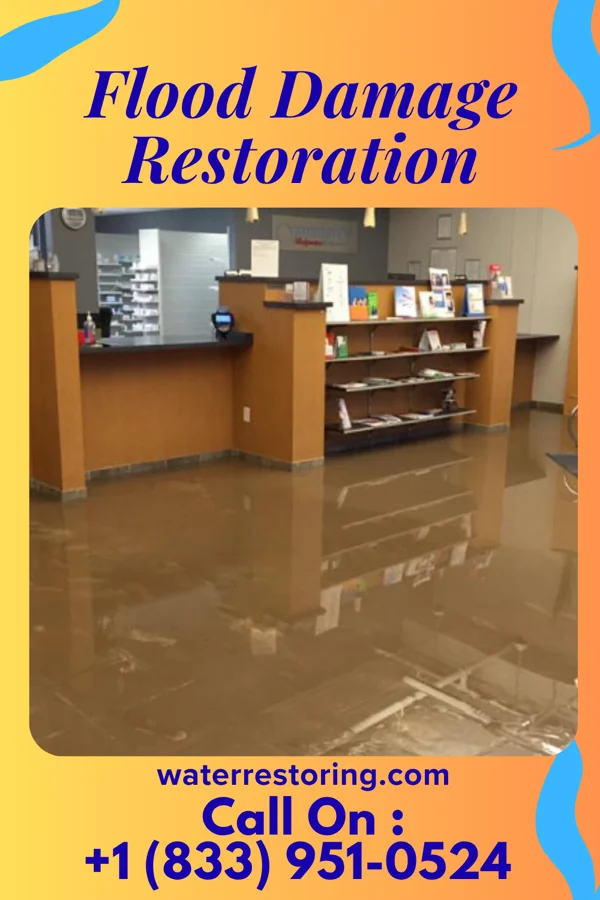
Why Santa Clarita Floods Hit Hard
Water damage in Santa Clarita tends to cluster in predictable windows because of the local climate. Santa Clarita is prone to flash flooding due to its location in a semi-arid climate with sudden heavy rainfall events, especially during the winter months. The area's rapid urban development has also increased runoff, leading to localized flooding in low-lying areas and near creeks such as the Santa Clarita River.
The region experiences a Mediterranean climate with dry summers and wet winters, making it susceptible to sudden storm events. While Santa Clarita is not in a floodplain zone, heavy rains can overwhelm drainage systems, leading to temporary water accumulation in residential and commercial properties.
Most flood damage restoration calls in Santa Clarita come from Santa Clarita is prone to flash flooding due to its location in a semi-arid climate with sudden heavy rainfall events, especially during the winter months. The area's rapid urban development has also increased runoff, leading to localized flooding in low-lying areas and near creeks such as the Santa Clarita River.. We specialize in all water damage categories, including clean water, gray water, and black water, and have extensive experience handling flood damage from sudden water intrusion events in Santa Clarita. Local mold risk: In Santa Clarita, the mold risk window is typically 48 hours after water intrusion. Prompt action is crucial to prevent mold growth, which can lead to long-term health and structural issues.